

My Marie Skłodowska-Curie Fellowship has recently come to an end, and so has my time in Venice.
I am truly grateful to the European Commission and the Ufficio Ricerca Internazionale at Ca’ Foscari University for this unique opportunity. Being a Marie Curie fellow allowed me to develop my research in unprecedented ways and connect with exceptionally talented international scholars; I cannot recommend applying for this scheme enough, and I will always be happy to advise scholars interested in MSCA.
But there is more: this research fellowship also gave me the chance to discover life in Zagreb (and embrace Croatian football live), to explore Leicester, to expand my relationship with Sardinia, and most of all, to live for four years in Venice.
It is hard to say farewell to Venice. It’s even harder to describe it. Venice is many things — and often their opposite.
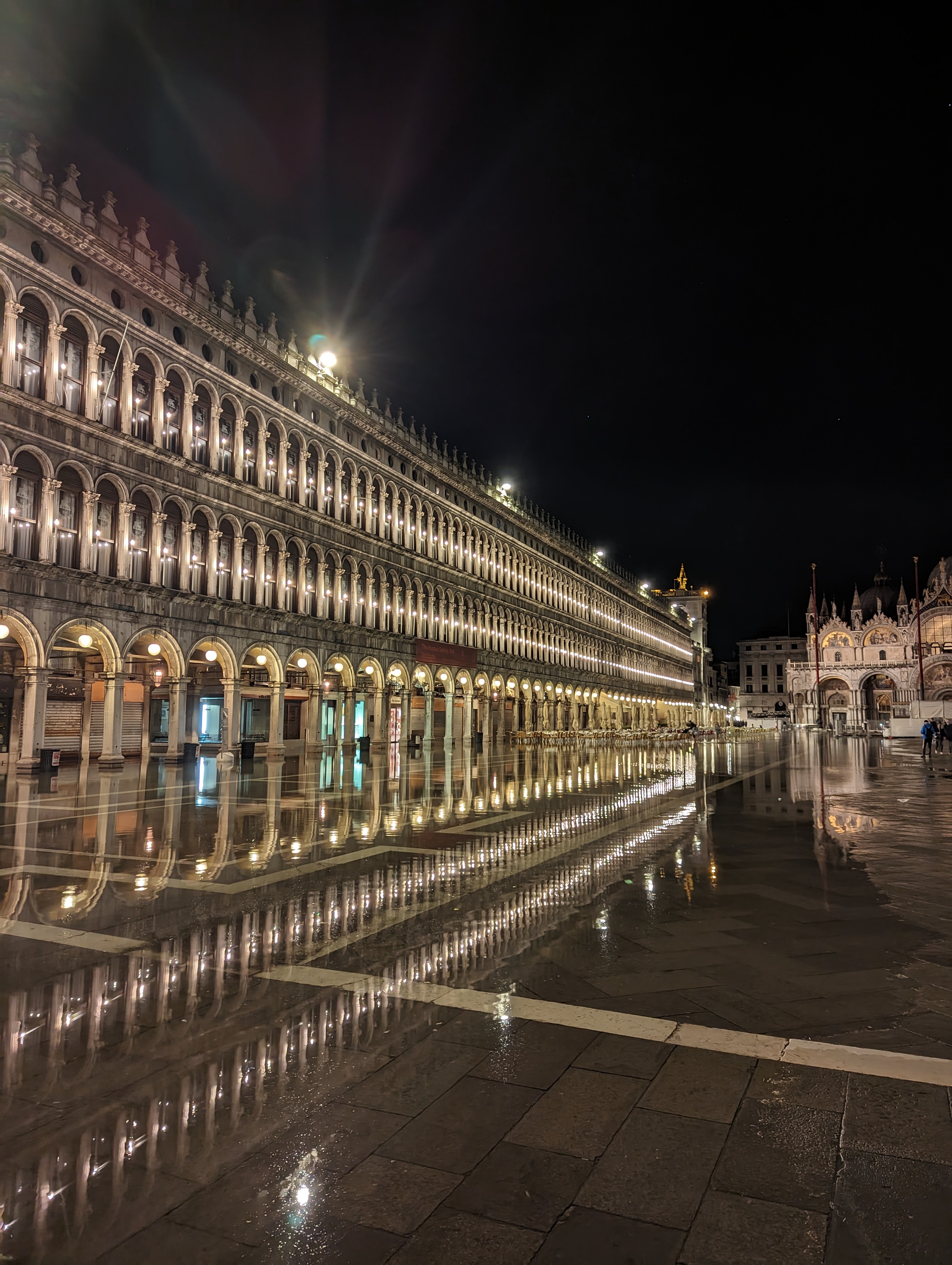
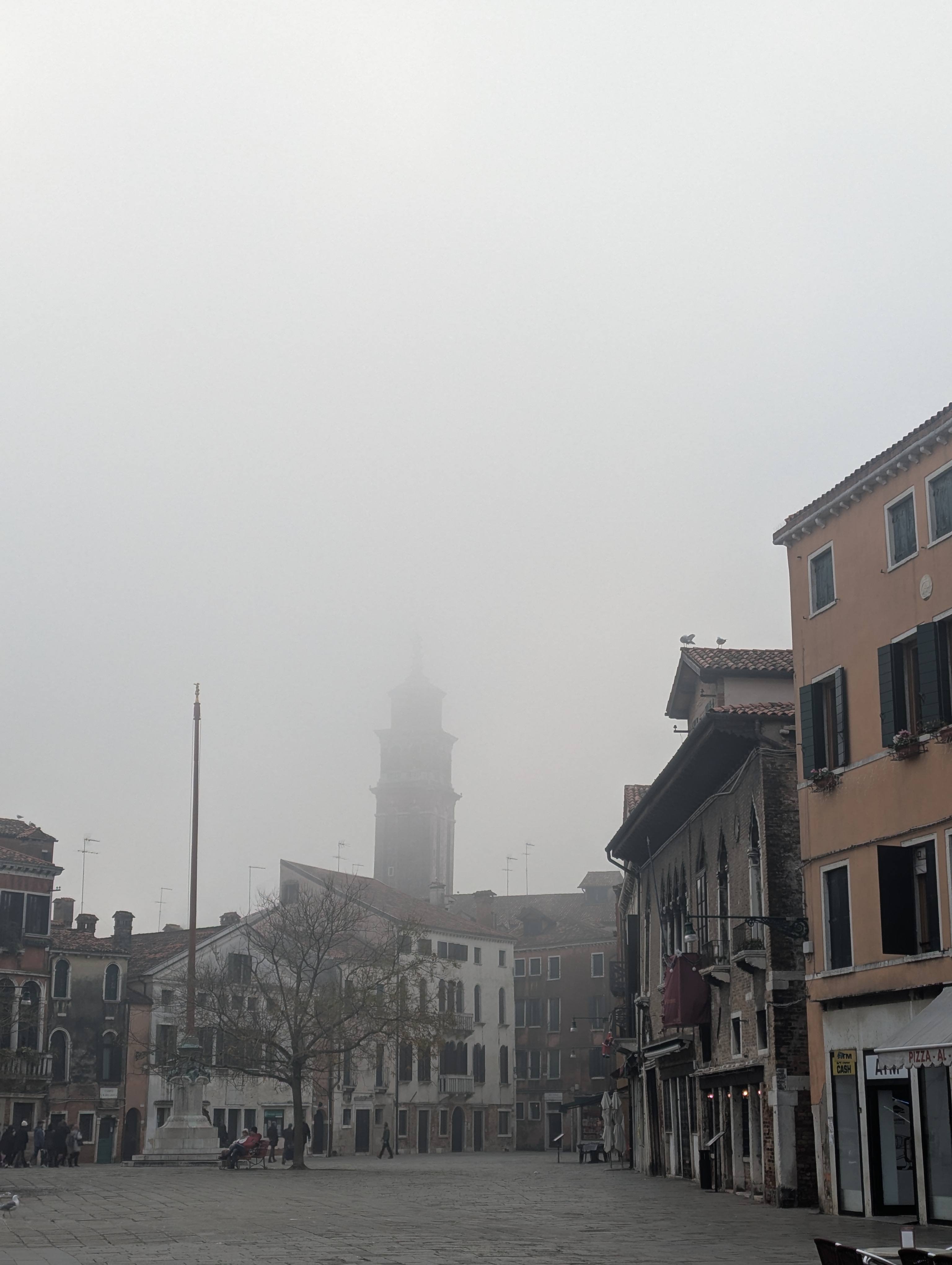
Venice is light stone and heavy humidity. It is white, and it is grey. Venice disappears in November and makes you want to disappear in August.
Venice is care and solidarity. It is anger and frustration.
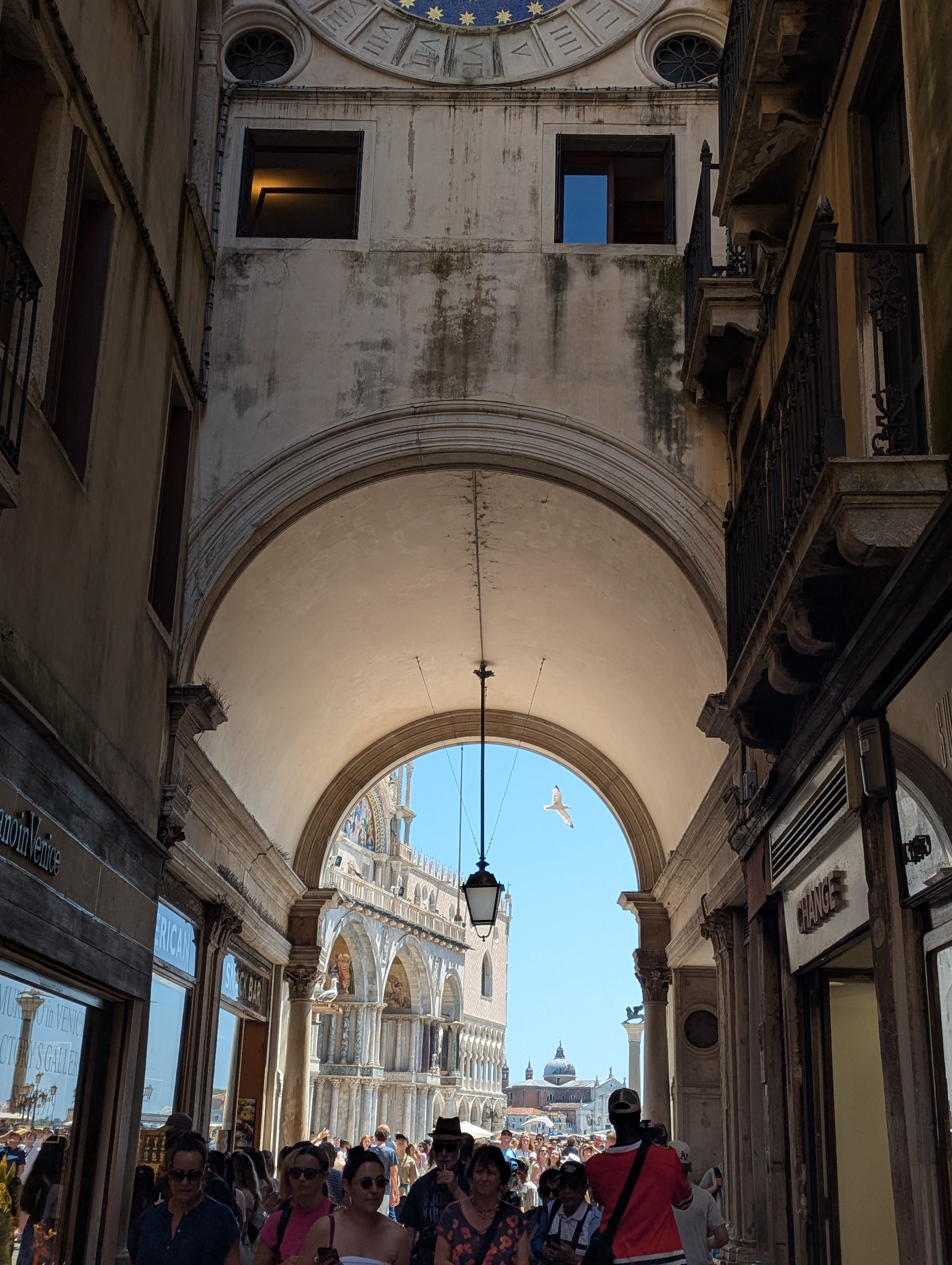
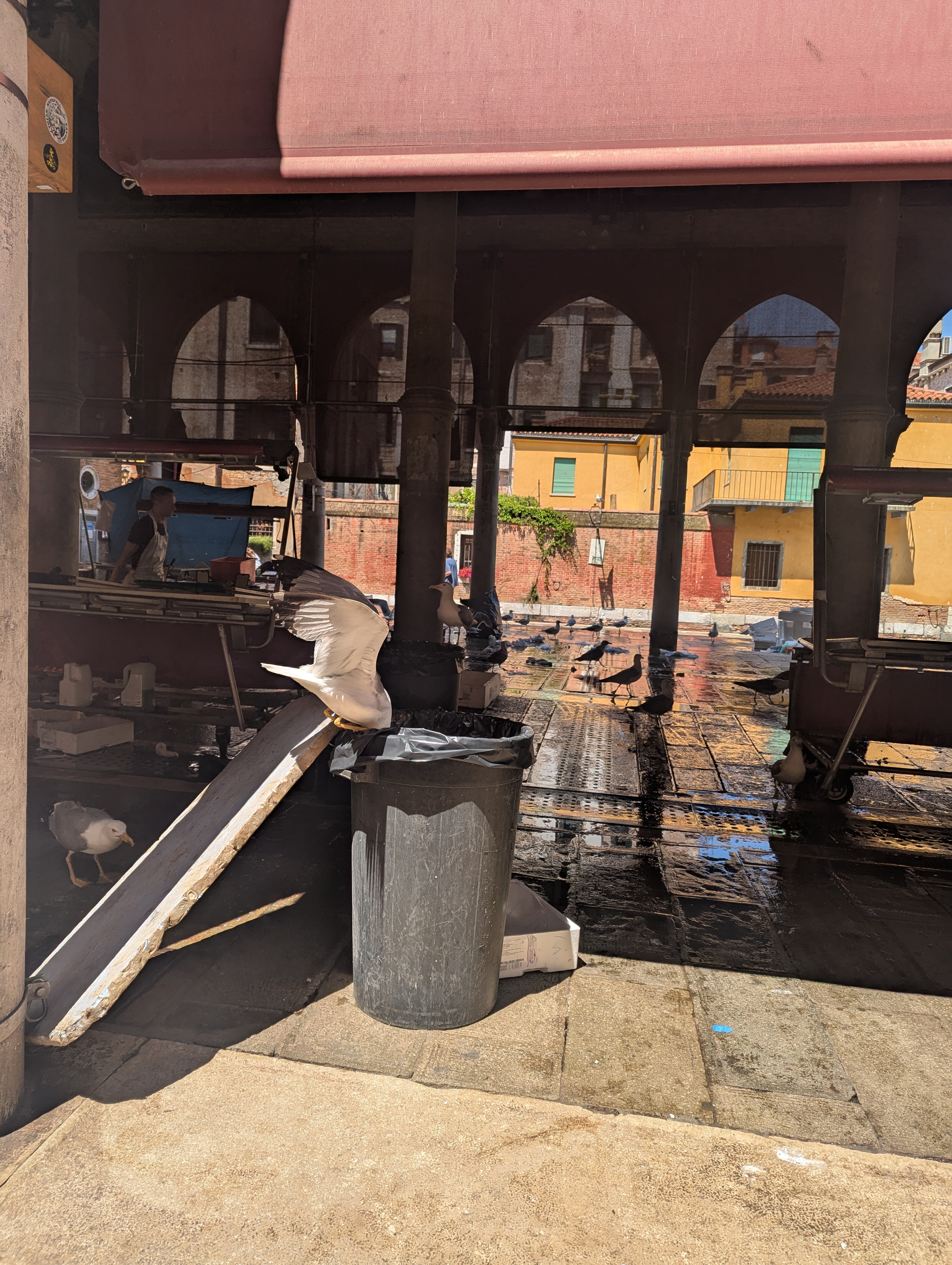
Venice is seagulls stealing pizza in every campo from the hands of untrained tourists.
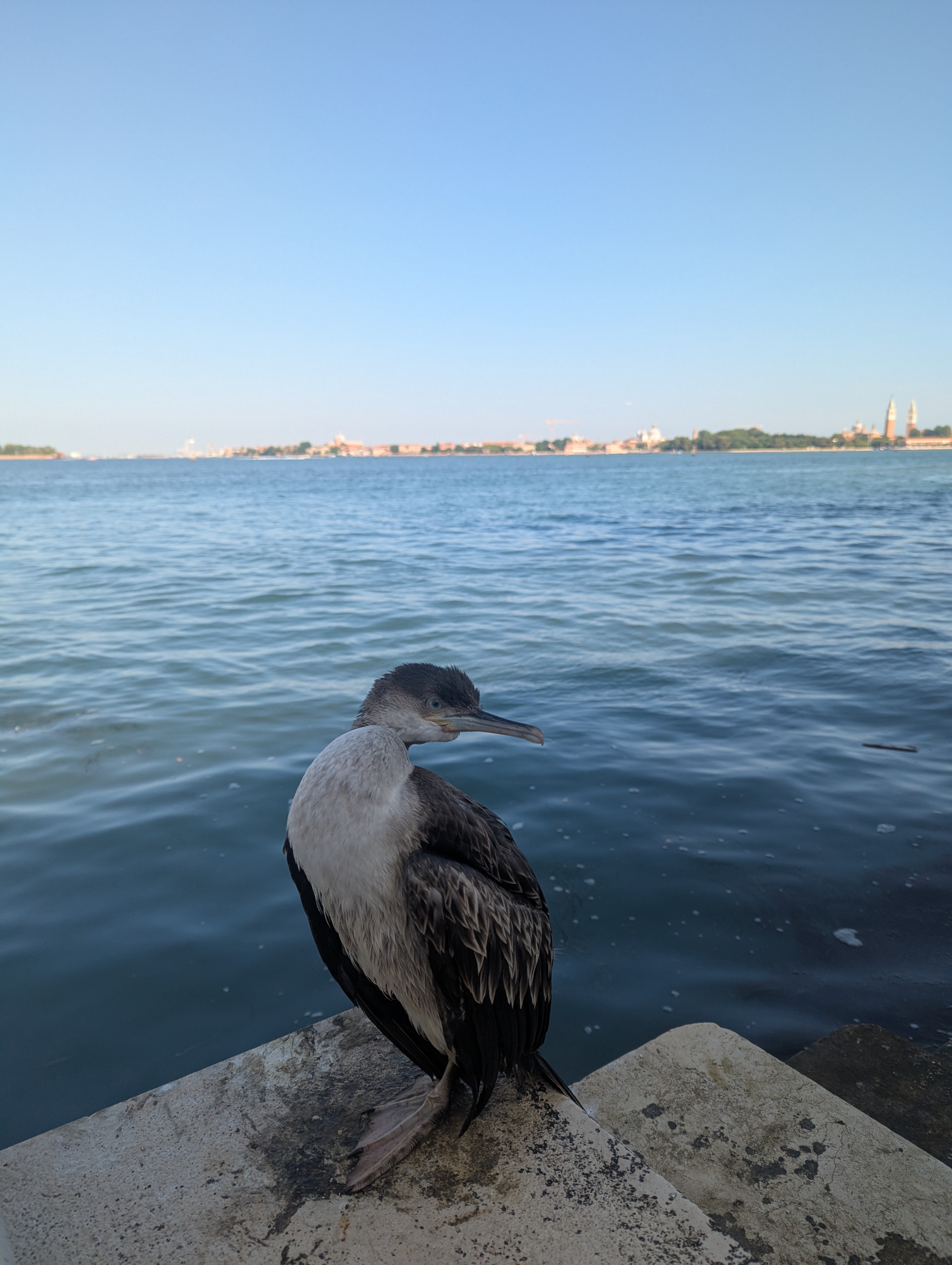
Venice is a young cormorant, sitting seemingly in distress on a step on the island of San Servolo for 24 hours, under the sun and the full moon — whom everyone worries about and tries to help, but who is simply minding his own business, and finally swims away at the tenth offer of water and breadcrumbs.
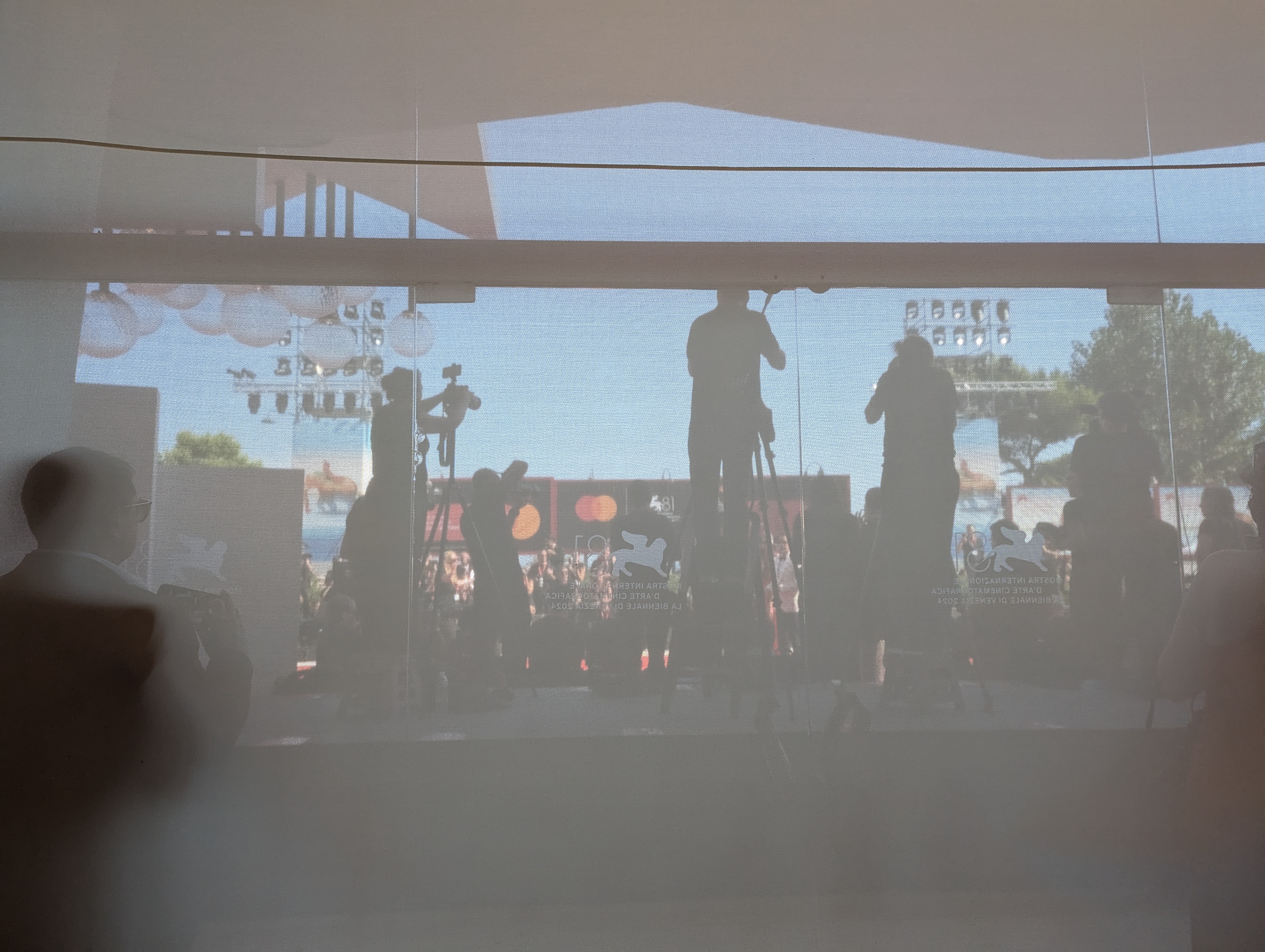
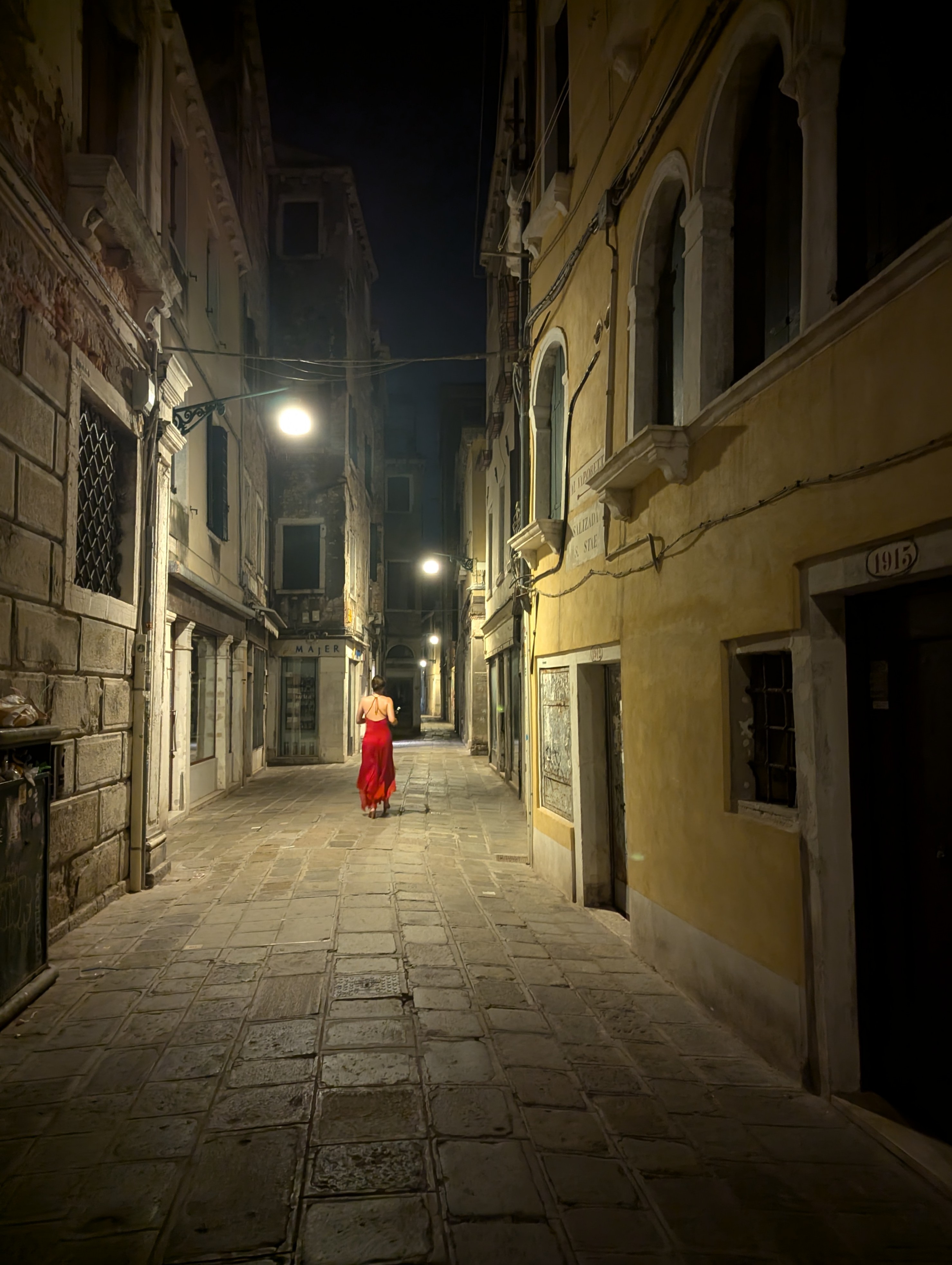
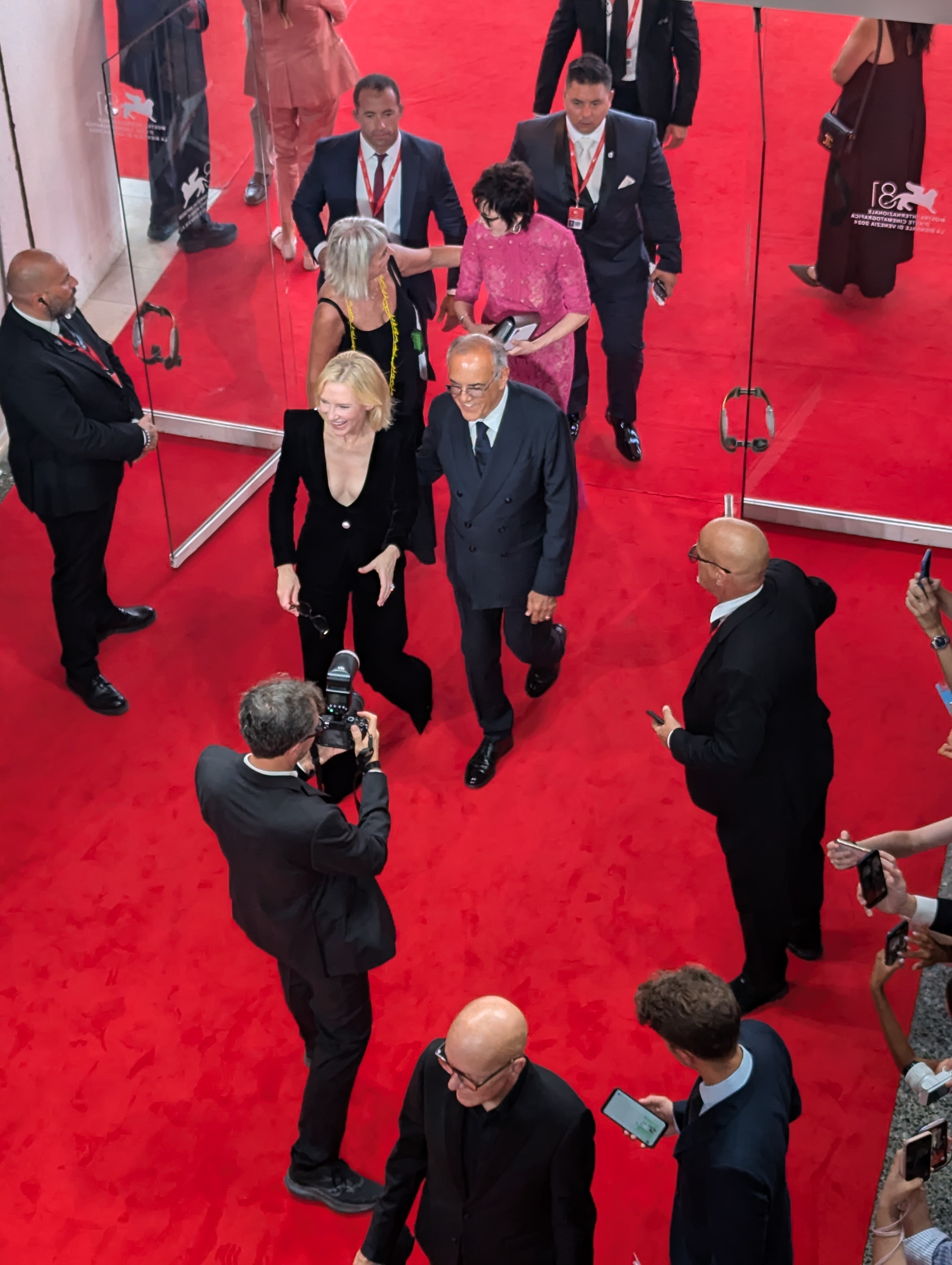
Venice is red silk on a red carpet. It is cinema, and street drama.
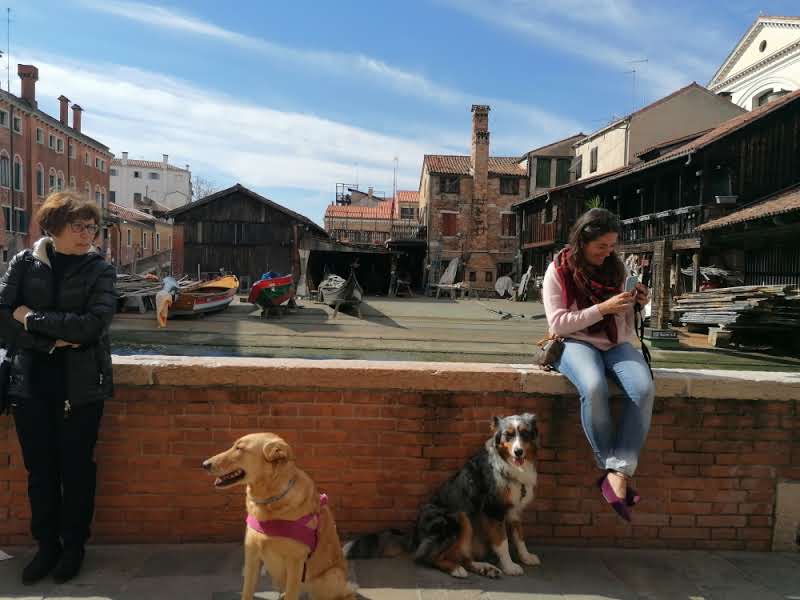
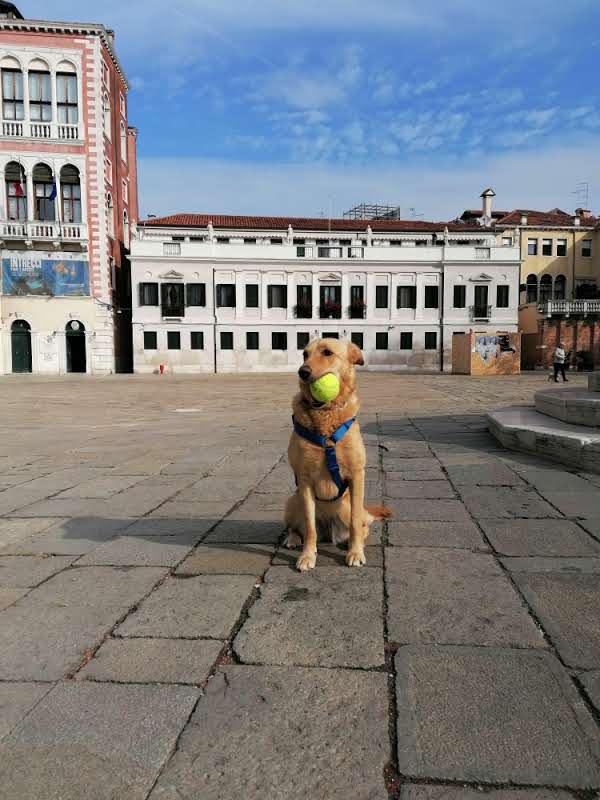
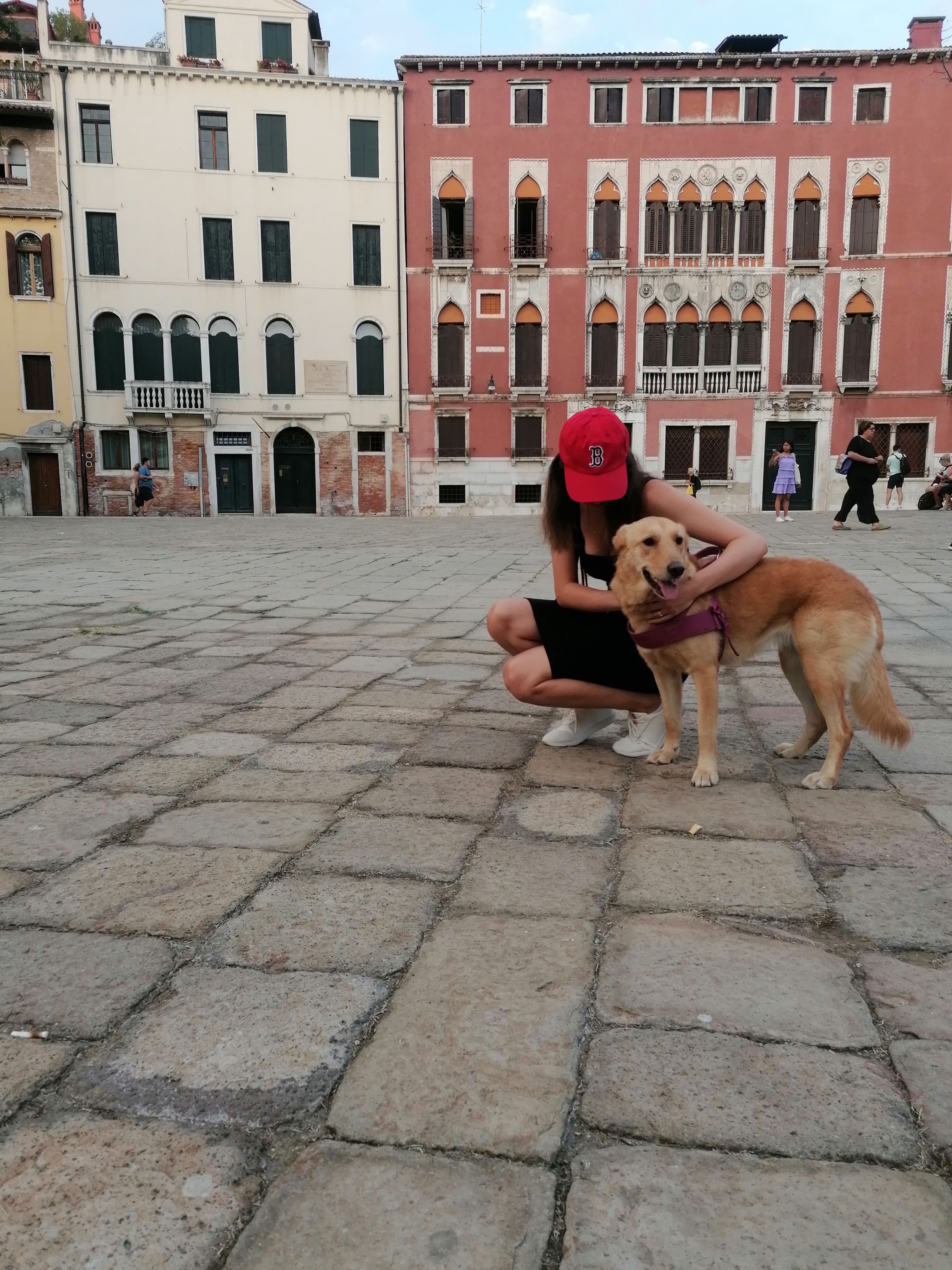
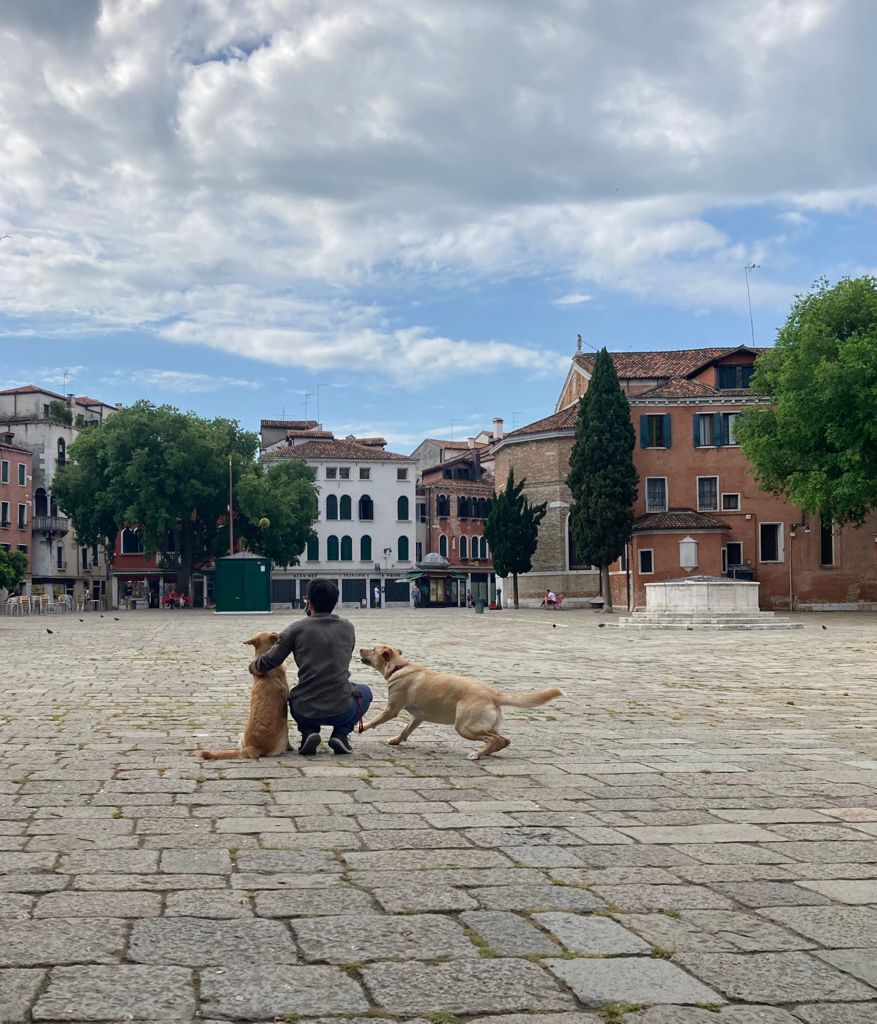
It is two dogs playing under the laundry, with sewn hearts, hanging out to dry behind them.
Everything seems staged in Venice — but it’s not. It’s just how Venice is.
Venice is love and hatred, resilience and idleness.
Venice is a barman who calls you every day by the name of your dog.
It is the kindest dustwoman, who always has biscuits in her purse for every dog she meets during her workday.
It is the angry woman who complains if you cut the queue at the vaporetto.
It is the other woman who shouts back: “I’m the pilot of your vaporetto, you moron!”
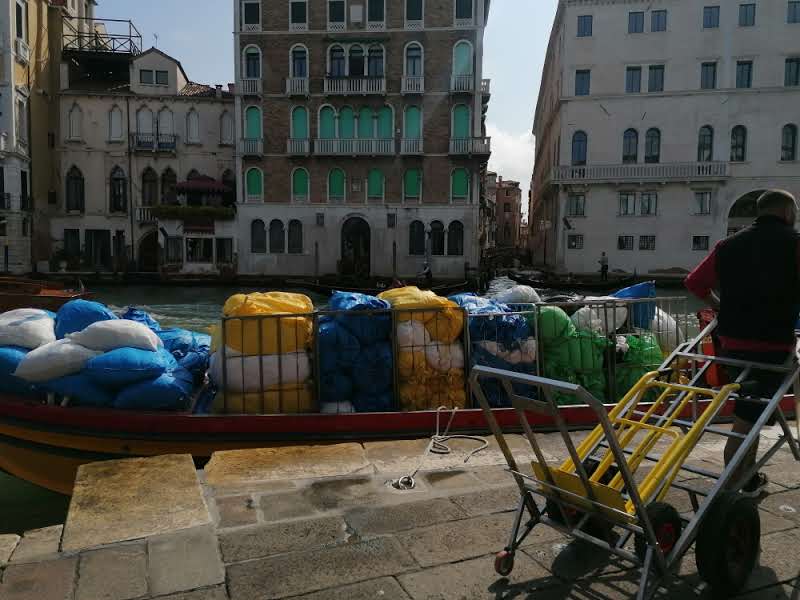
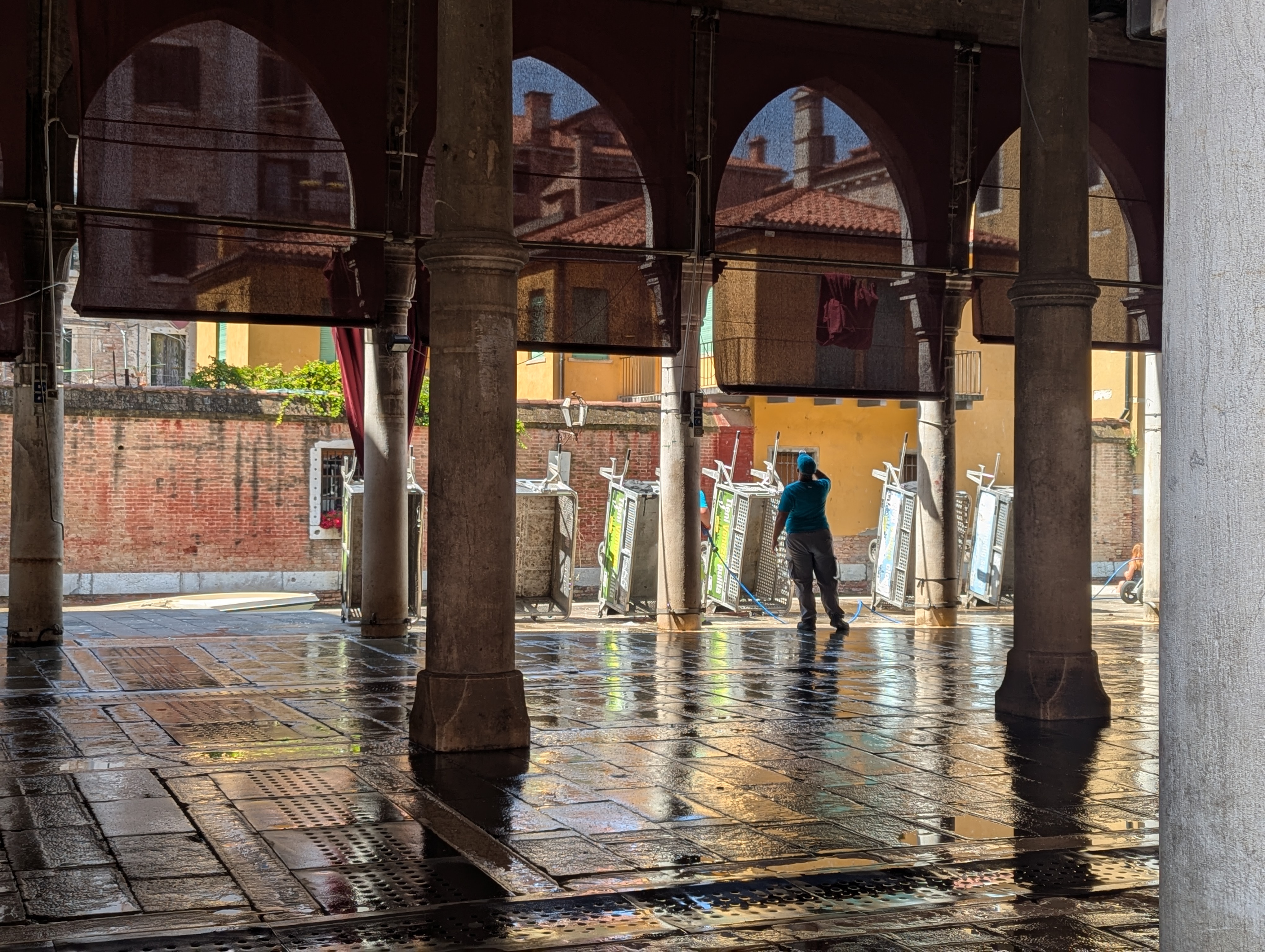
Venice is hard work and tired bodies.
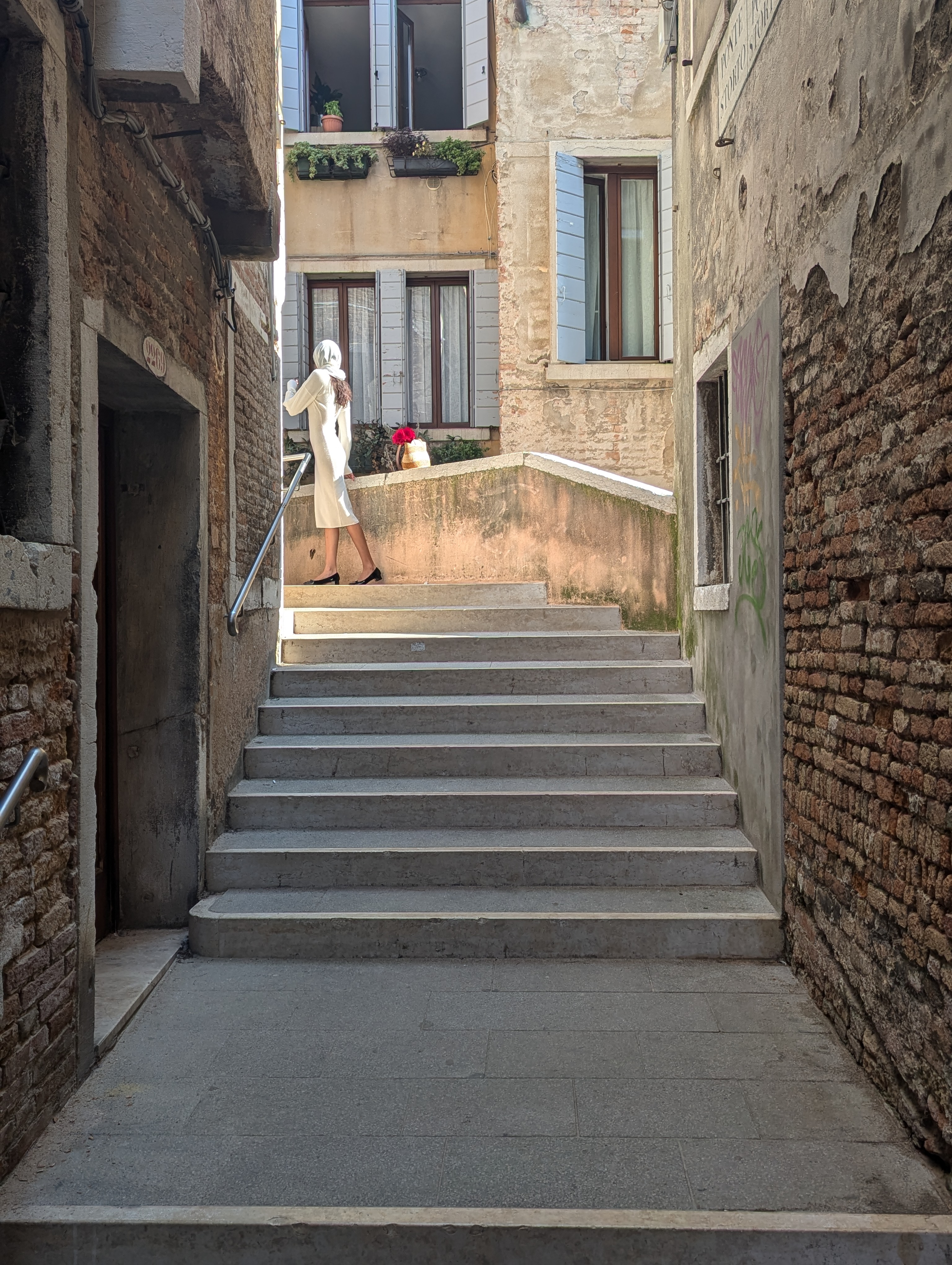
Venice is walking everywhere.
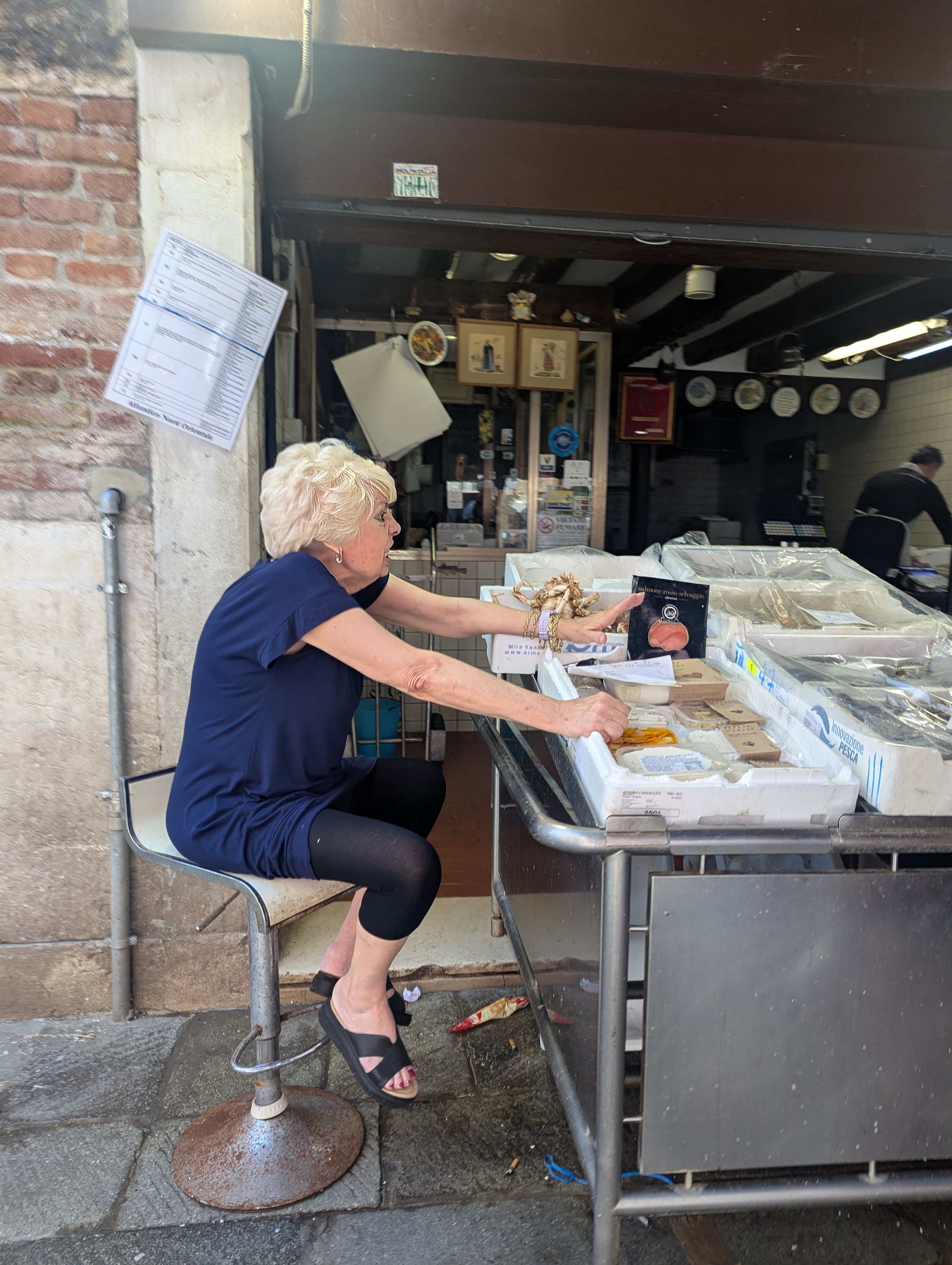
Venice is water and prosecco. It is the sound of crisps and the silence of baccalà mantecato.
It is salty and sour.
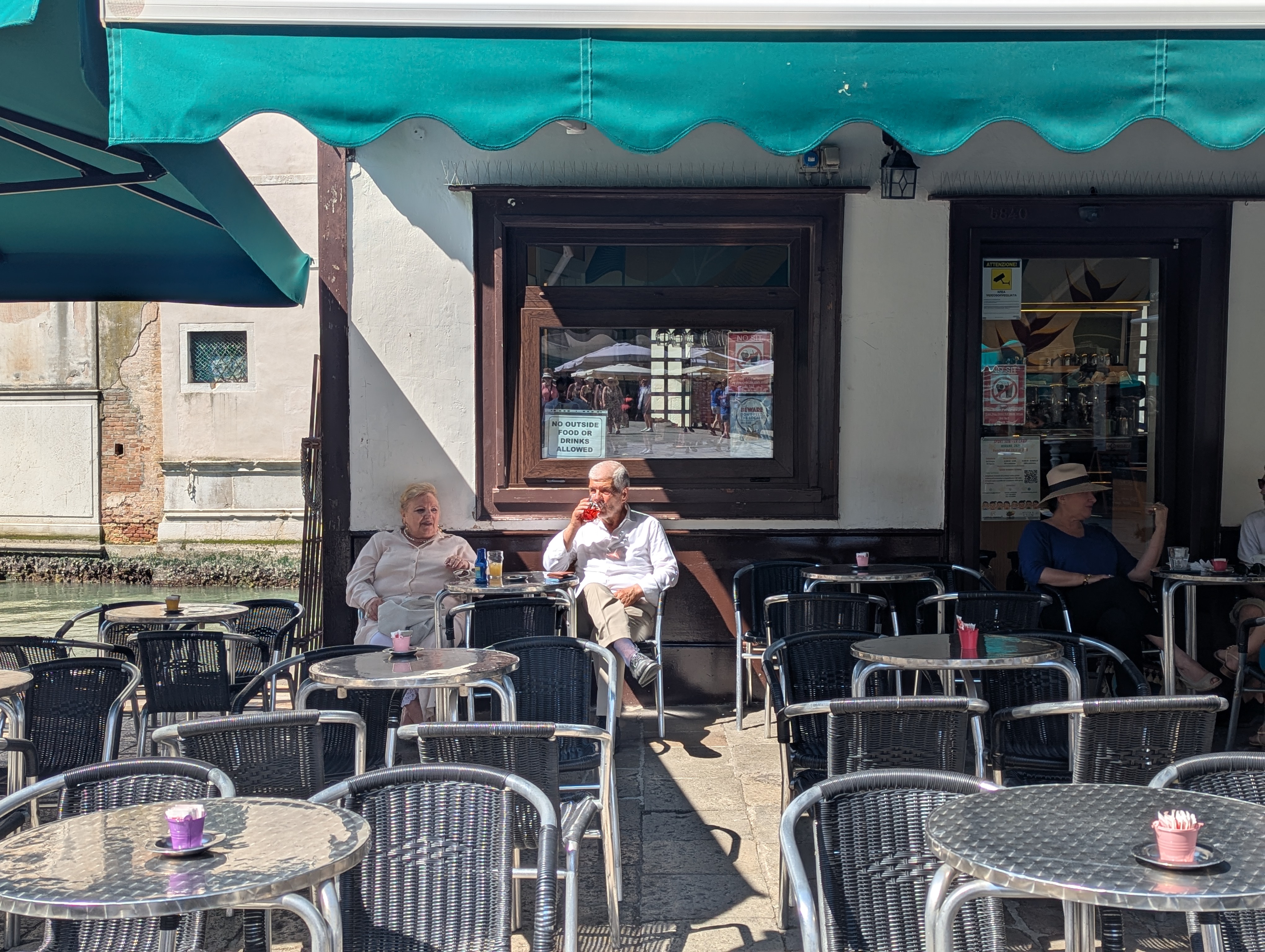
Venice is an old couple sitting every day in the same spot — the lady always in the shade, her husband always in the sun.
Venice is forgetting what you were doing, while remembering that you like it.
Venice is meeting him — or her — in the calle, by the canals, and, if you’re lucky, falling in love. Deeply.
Venice is a man calling another man Amore, a woman calling another Fiore.
Venice is a question: “What would you like, Love?”
To which you wish you could answer: “I would just like another minute of this. Of you.”
But you both know there’s no more time now.
Until next time.
 Mauro Puddu